A further challenge is maintaining visibility and trust within community settings where students are only present for a limited period (typically five to six weeks). In settings such as refugee centres, the support of permanent staff is invaluable in encouraging people to engage with the service and helping to bridge the transitions between student cohorts. As with any community-based initiative, trust takes time to build, and continuity can be more difficult when the workforce changes regularly.
That said, the partnerships are also one of the most rewarding aspects of the initiative. Partners have not only supported delivery but have often contributed resources, ideas and expertise to help the service grow. Bringing together people from different sectors who are all passionate about tackling digital exclusion has been instrumental in shaping the placement into what it is today.
What are the top three lessons you've learnt on running DI projects?
There have been several important lessons from running a digital inclusion project, but three stand out.
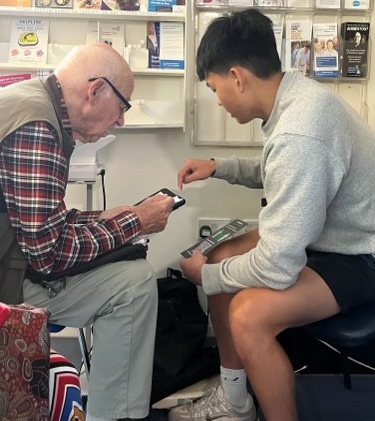
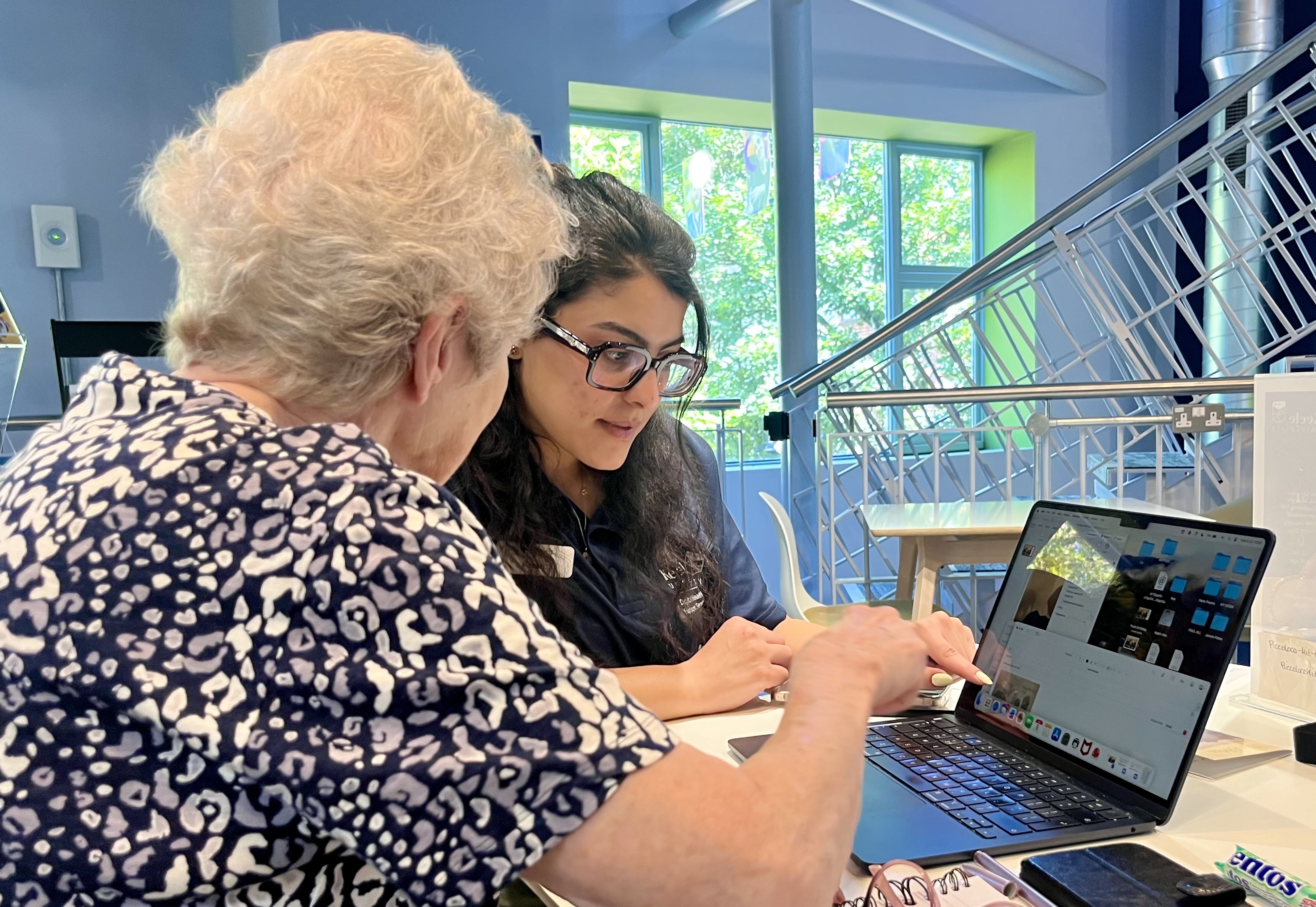
First, we learnt that digital inclusion is most effective when it starts with the interests and priorities of the individual, rather than our own professional objectives. As a health-focused placement, our original intention was to concentrate on digital health and healthcare technologies. While this remains an important part of what we do, students quickly recognised that building digital confidence often begins with something that matters to the person in front of them, whether that's communicating with family, accessing community groups, shopping online or using everyday apps. Once confidence grows in these areas, people are often more willing and able to engage with digital health services.
Second, digital inclusion is about far more than technology. Students consistently report that success comes from offering encouragement, patience, reassurance and ongoing support. Many people are not excluded because they lack access to a device; they are excluded because they lack confidence, or are worried about getting things wrong. Building trust and creating a supportive environment is often more important than the technology itself.
Third, it takes time to build awareness, trust and a reputation within the community. Even when a service addresses a genuine need, people do not automatically attend simply because it exists. Establishing a regular presence, developing relationships with trusted community organisations, and relying on word-of-mouth recommendations have all been crucial to growing engagement over time.
What's next?
Our next step is to scale the model so that it can benefit more students, communities and organisations. While the placement currently supports Physiotherapy and Occupational Therapy students, there is potential to expand it across a wider range of health and social care programmes. Our ambition is to create multidisciplinary student digital support teams, bringing together learners from different professional backgrounds to provide digital inclusion support across multiple community sites simultaneously. This would not only increase capacity and reach but also provide students with valuable experience of collaborative, multidisciplinary working.
Beyond local expansion, we would like to develop the placement into a model that can be adopted by other universities and healthcare education providers. The principles underpinning the initiative are transferable: creating meaningful placement capacity and delivering a valuable community service. We hope to provide a blueprint that other pre-registration programmes can adapt to their own local contexts.
Ultimately, our vision is to see digital inclusion placements become a recognised part of health and social care education across the UK. This would help address the growing challenge of digital exclusion while ensuring future healthcare professionals gain first-hand insight into the barriers faced by digitally excluded populations and the impact that increasingly digital-only services can have on access, equity and health outcomes. In doing so, students would not only develop important digital and leadership competencies but also contribute to reducing inequalities within the communities they serve.